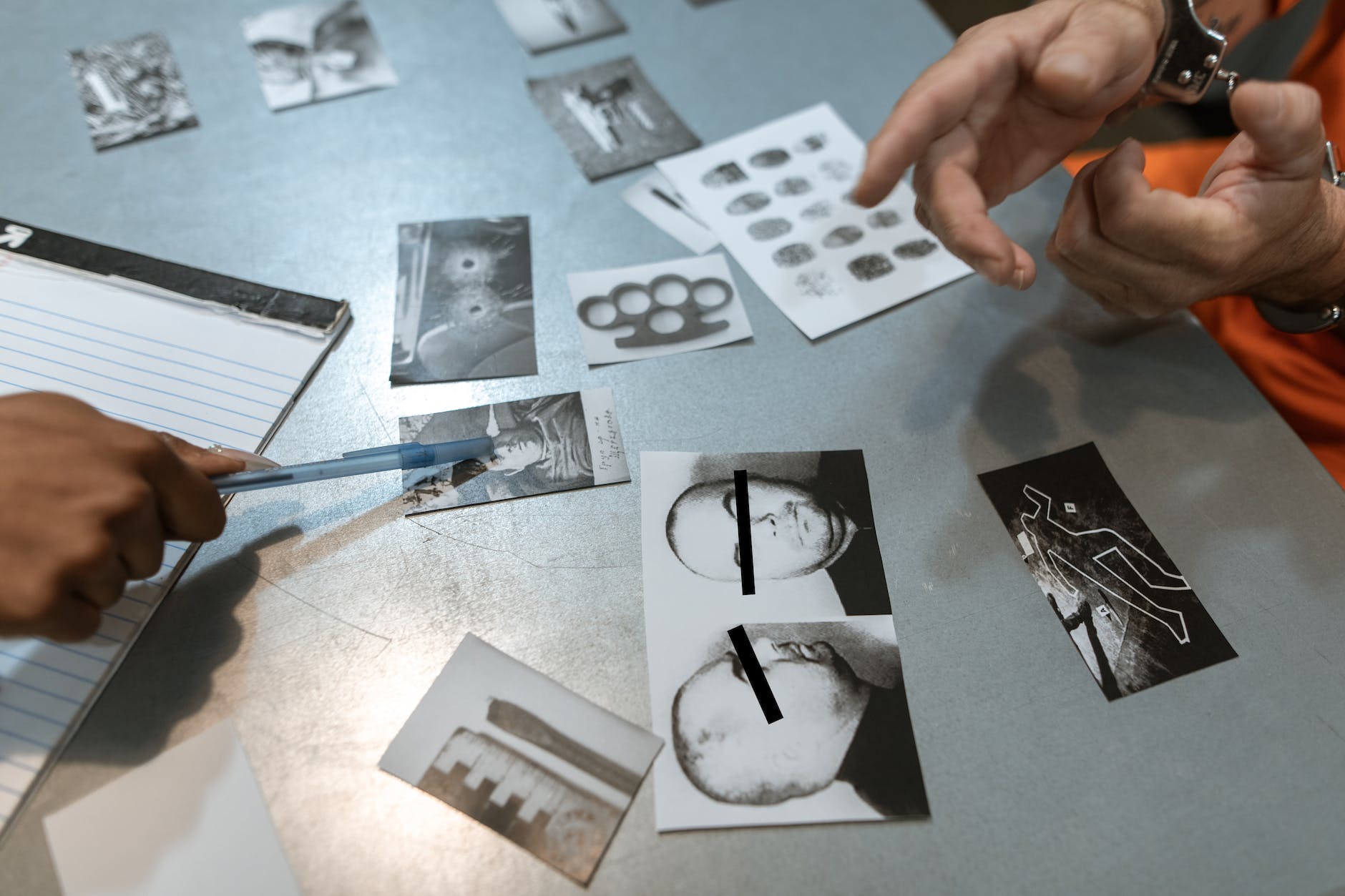
Former Mumbai Police Commissioner believes that the Act will lose its uniqueness with missing filter and registration of numerous cases under the new definition of organised crime, leading to delayed trial
Manish Pachouly
MUMBAI: The Bharatiya Nyaya Sanhita, 2023 expected to replace the age-old Indian Penal Code (IPC) is importing the provisions of the Maharashtra Control of Organised Crime Act (MCOCA) which played a significant role in controlling organised crime in Mumbai and Maharashtra.
Enacted in 1999, MCOCA was first introduced in Maharashtra and subsequently adopted by many other states. Some other states enacted laws that were along the lines of the MCOCA.
In the latest blog, crimeanalytical interviews Mr. D Sivanandhan, former Mumbai Police Commissioner and Director General of Police, Maharashtra, who was among the key contributors to the formulation of MCOCA.
Here are five key questions about the feat achieved by the team of the Maharashtra Government that first enacted MCOCA and the pros and cons of its use in the new form.
Q. The Bharatiya Nyaya Sanhita (BNS) bill imported the provisions of the MCOCA. As one of the key contributors who designed the provisions of this Act in 1999, how do you feel?
A. For each state it needed approval from the Ministry of Home Affairs and the President. Some states had not got the approval for a law along the lines of MCOCA for a long time. Now it will be pan-India.
MCOCA is a very different and stringent law. The bail provisions under the Act are so stringent that it is difficult to get out of prison. Also, an admission or confession before a Deputy Commissioner of Police or the Superintendent of Police is admissible in the court of law. This did not apply to any other provisions of the IPC.
However, the major issue with the adoption in the new form is that it has become much wider where the definition of organised crime also includes economic offences, cybercrime, and some ‘petty organised crimes’ like organised pickpocketing, snatching, Automated Teller Machine thefts, etc. Besides, there was a filter in MCOCA where the approval to book a criminal under the law was given by an Additional Commissioner of Police (Additional CP) or Deputy Inspector General (DIG) rank officer. It had to be then sanctioned by an Additional Director General of Police (Additional DGP) or Commissioner of Police (CP) rank officer.
Since the entire IPC is now being replaced and the filter missing, any officer can apply the provisions that were earlier in the MCOCA. This will result in booking thousands of cases and lead to the arrest of thousands of people like in the Terrorist and Disruptive Activities (Prevention) Act (TADA) and Prevention of Terrorism Act (POTA), both repealed.
Earlier because of the filter only a few dozen of cases were booked under MCOCA every year and a few dozen arrests were made. There were special prosecutors and courts. The trial used to be over quickly. For example in the former Mayor Milind Vaidya’s attempt to murder case of 1999, the trial was over in one-and-a-half years.
But now the number of cases will rise numerously and the trial will take time. Those booked will languish in prison for a long time waiting for the trial. Now it will be like fishing with a wide net.
Q. What is the key feature of the MCOCA that makes it so relevant in today’s time?
A. The strong checks for the arrest of a criminal, approval from Additional CP/DIG, and sanction from Additional DGP/CP rank officer besides special prosecutors and special courts made MCOCA unique and relevant at all times. The benefit to the police was that certain presumptions were included in the MCOCA. Finding anybody’s fingerprint or body fluid at the crime scene helped in presumptions that the suspect had committed the crime.
Q. Will the import of MCOCA provisions work effectively on modern-day offences like cybercrime?
A. The point under the Information Technology Act, 2000, is that an inspector-rank officer had to investigate a cybercrime case. But here we don’t have that many inspectors in proportion to the rising cybercrime cases that are increasing like wildfire. Hence anybody can now register and investigate these cases and chargesheet them.
Q. As an expert who had played an important role in wiping out the underworld from Mumbai to a great extent, what changes do you see in the organised crime syndicates today?
A. In our time there was violence where 101 builders were shot dead in one year. Illegal weapons were used widely. From 2002 these things stopped. Nobody was shot dead, extortion cases were zero. The crime syndicates had started getting into the narcotics trade, and real estate. They stopped violent crimes that attracted police. They started doing economic offences. Now the organised crime syndicate has become sophisticated.
Q. While the age-old IPC and Code of Criminal Procedure (CrPC) are being replaced now, do you think there is also a need to further modernise the police force including providing them the relevant training?
A. The law is being changed. So training related to all the sections that are being applied is to be given. This is a humungous task. This will cost lots of money, effort, and energy. It will be difficult for the existing people in the police force to comprehend the changes, for a long time. Even the prosecutors and judges will need training. The police force will be the first one in the chain.

 Crime Alert